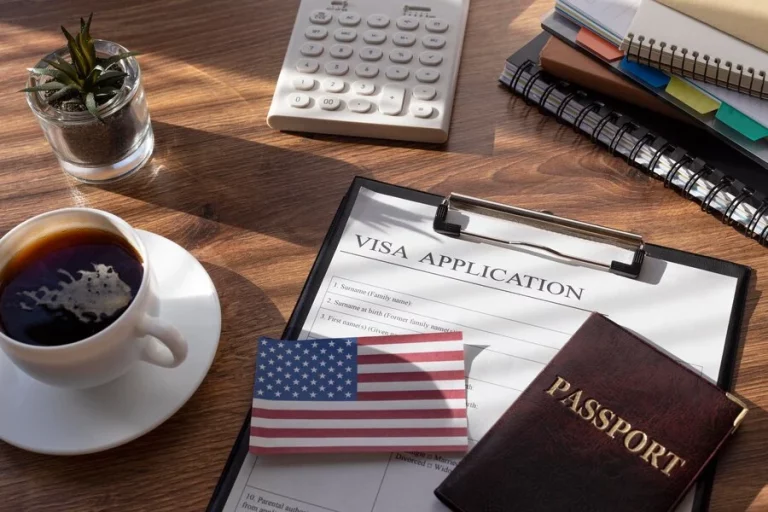

Studying abroad is one of the most transformative decisions a person can make — but before you can step foot in a foreign classroom, you need to navigate one of the most critical steps in the process: obtaining a student visa. Whether you’re dreaming of studying in the United States, Canada, the United Kingdom, or Australia, understanding how student visas work can mean the difference between a smooth application and a costly rejection.
Every year, millions of international students apply for student visas, yet many are caught off guard by the documentation requirements, processing timelines, financial proof thresholds, and post-study work conditions. This guide is designed to walk you through everything you need to know — from understanding what a student visa actually is, to comparing requirements across top study destinations, to avoiding the most common mistakes applicants make.
At Global City, we specialize in immigration consulting and legal advisory services. We work with students, families, and professionals to make international transitions as seamless as possible — and this guide reflects everything we’ve learned from years of hands-on experience.
What Is a Student Visa?
A student visa is an official government-issued authorization that allows a foreign national to enter and reside in a country for the purpose of pursuing an accredited educational program. Unlike tourist visas, student visas are typically tied to a specific institution, a defined program length, and a set of conditions the holder must maintain — such as full-time enrollment and academic progress.
Most student visas do not automatically grant permanent residency, but many countries offer pathways from student status to work permits and, eventually, permanent immigration.
Why Choosing the Right Destination Matters
Different countries have vastly different student visa rules, processing times, costs, and post-graduation opportunities. Choosing the right destination is not just about academic prestige — it’s also about immigration flexibility, work rights during study, and long-term residency options.
Student Visa Requirements by Top Destination
🇺🇸 United States — F-1 Student Visa
The F-1 visa is the most common student visa in the U.S. and is required for academic programs at accredited colleges, universities, seminaries, conservatories, and language schools.
Key Requirements:
- Acceptance from a SEVP-certified school
- SEVIS I-20 form from the institution
- DS-160 online application form
- Proof of financial support for tuition and living expenses
- Valid passport
- Visa interview at a U.S. Embassy or Consulate
Work Rights: F-1 holders can work on-campus up to 20 hours/week during school. After graduation, Optional Practical Training (OPT) allows up to 12 months of work experience (up to 36 months for STEM graduates).
🇨🇦 Canada — Study Permit
Canada is one of the world’s fastest-growing destinations for international students, and its study permit system is relatively transparent and well-structured.
Key Requirements:
- Acceptance letter from a Designated Learning Institution (DLI)
- Proof of financial means (tuition + living costs)
- Clean criminal record
- Medical examination (if required)
- Intent to leave Canada after studies (unless applying for PR)
Work Rights: Eligible students can work up to 20 hours/week off-campus during semesters and full-time during scheduled breaks. After graduation, the Post-Graduation Work Permit (PGWP) may allow up to 3 years of work — a key pathway to Canadian permanent residency.
🇬🇧 United Kingdom — Student Visa (formerly Tier 4)
The UK Student Visa replaced the old Tier 4 system and applies to those 16 and older studying at a licensed sponsor institution.
Key Requirements:
- Confirmation of Acceptance for Studies (CAS) from a UK institution
- English language proficiency (IELTS, TOEFL, or equivalent)
- Financial proof: enough to cover course fees + £1,023–£1,334/month for living expenses
- Tuberculosis test (for certain nationalities)
- ATAS certificate (for certain sensitive subjects)
Work Rights: Students can typically work 20 hours/week during term time and full-time during holidays.
🇦🇺 Australia — Student Visa (Subclass 500)
Australia’s Subclass 500 student visa is one of the most flexible in the world, covering everything from school enrollments to postgraduate degrees.
Key Requirements:
- Confirmation of Enrollment (CoE) from a registered provider
- Genuine Temporary Entrant (GTE) statement
- Financial capacity evidence
- Health insurance (OSHC)
- English language proficiency
- Health and character checks
Work Rights: Students can work up to 48 hours per fortnight during study. Australia also offers the Temporary Graduate Visa (Subclass 485) post-graduation, which can lead to skilled migration pathways.
[Learn about Australian skilled migration and student options] through Global City’s expert team.
🇳🇿 New Zealand — Student Visa
New Zealand offers a welcoming environment for international students through its straightforward student visa program.
Key Requirements:
- Offer of place from an approved New Zealand institution
- Proof of funds
- Onward travel evidence
- Health and character requirements
New Zealand also offers post-study work visas that can be a stepping stone to skilled residence.
Common Mistakes to Avoid When Applying for a Student Visa
Even strong applicants get rejected. Here are the most frequent errors:
- Insufficient financial documentation — Banks statements must typically show consistent funds, not recent lump deposits.
- Weak ties to home country — Consular officers assess whether you’ll overstay. Having family, property, or a job offer back home strengthens your case.
- Incorrect or incomplete forms — Errors on DS-160 or other official forms are immediate red flags.
- Choosing a non-accredited institution — Always verify that your school is government-recognized in the destination country.
- Ignoring English language requirements — Many applicants underestimate the score thresholds required.
Key Statistics and Expert Insights
[STAT] According to the UNESCO Institute for Statistics, global international student mobility surpassed 6.4 million students in 2023, with the United States, United Kingdom, Australia, and Canada remaining the top four destination countries — collectively hosting over 45% of all internationally mobile students.
[STAT] A 2023 report by the OECD found that international students contribute an estimated $40 billion USD annually to the U.S. economy alone, reinforcing the economic and diplomatic significance of student visa programs.
[STAT] Canada’s Immigration, Refugees and Citizenship Canada (IRCC) reported a 26% increase in study permit applications between 2021 and 2023, with India and China consistently topping the list of source countries.
Direct Answer Box: What Do You Need for a Student Visa?
Quick Answer: To apply for a student visa, you generally need: (1) an acceptance letter from an accredited institution, (2) proof of sufficient funds to cover tuition and living expenses, (3) a valid passport, (4) language proficiency test results, (5) health insurance, and (6) a completed visa application form. Requirements vary by country, so always check the official immigration authority of your target destination.
How Global City Can Help You Get Your Student Visa
Navigating the student visa process alone can be overwhelming — especially when requirements shift, processing times fluctuate, and one missing document can delay your enrollment by an entire academic year.
Global City is a specialized immigration and legal consulting agency that supports individuals, families, and students at every stage of the immigration journey. Our services relevant to student visa applicants include:
- Case evaluation and eligibility assessment — We identify the right visa pathway for your academic and personal profile.
- Document preparation and review — We ensure every form, financial statement, and supporting document meets the standards of the destination country’s immigration authority.
- Interview coaching — For visa interviews (especially U.S. consular interviews), preparation is everything.
- Post-approval support — From arrival orientation to understanding work rights and post-study options, we don’t stop at the visa stamp.
We cover all major study destinations: USA, Canada, UK, Australia, New Zealand, and Schengen zone countries.
Student Visas — Frequently Asked Questions
1. Can I work while on a student visa?
Yes, in most countries. The U.S. allows on-campus work up to 20 hours/week; Canada, the UK, and Australia allow part-time off-campus work during semesters. Always check the specific work conditions attached to your visa, as violating them can affect future immigration applications.
2. Can a student visa lead to permanent residency?
In many cases, yes. Countries like Canada and Australia have direct pathways from student status to permanent residency through programs like Canada’s Express Entry or Australia’s Skilled Migration streams. The UK’s Graduate Route visa also helps bridge the gap.
3. What happens if my student visa application is rejected?
A rejection is not always the end. You can typically reapply after addressing the reasons for refusal. Common fixes include providing stronger financial documents, a more compelling personal statement, or demonstrating stronger ties to your home country. Global City can review rejected applications and advise on reapplication strategy.
4. How long does it take to get a student visa?
Processing times vary widely: U.S. F-1 interviews can be scheduled within weeks but vary by embassy load; Canadian study permits take 4–12 weeks on average; UK student visas typically take 3 weeks; Australian Subclass 500 visas may take 4–6 weeks. Apply early — at least 3 months before your program start date.
5. Do I need a student visa for short courses or language schools?
It depends on the country and course length. Some countries allow short language courses under a tourist visa, while others (like the U.S. and Australia) require a student visa even for intensive English programs. Always verify before enrolling.
Conclusion
Securing a student visa is your gateway to world-class education, new cultural experiences, and long-term global opportunities. But the process demands careful planning, accurate documentation, and a clear understanding of each country’s specific requirements.
Whether you’re targeting the U.S., Canada, the UK, Australia, or New Zealand, the rules differ — and the stakes are high. A well-prepared application dramatically improves your approval chances, while a poorly assembled one can cost you months of delays or an outright denial.
Global City is here to make sure that doesn’t happen. Our team of immigration experts and legal consultants will guide you from your very first eligibility check all the way through to your arrival and beyond.
Ready to start your journey? [Book a consultation with Global City today] and let us help you turn your study abroad dream into a reality.